

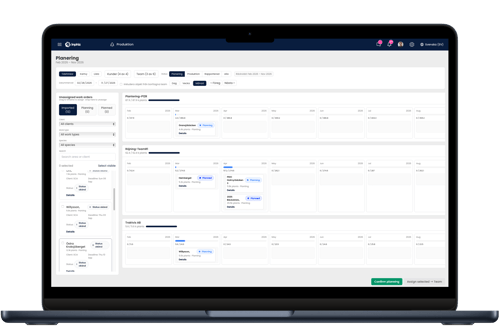
Plan and Structure the Work
Create assignments, define work areas, and connect contractors and resources to the right tasks.
Distribute Work Orders
Work orders and instructions are distributed digitally to the right individuals or teams based on role, assignment, or geographic area. Entire seasons can be planned in seconds using AI and automated processes.
Work with the Right Instructions
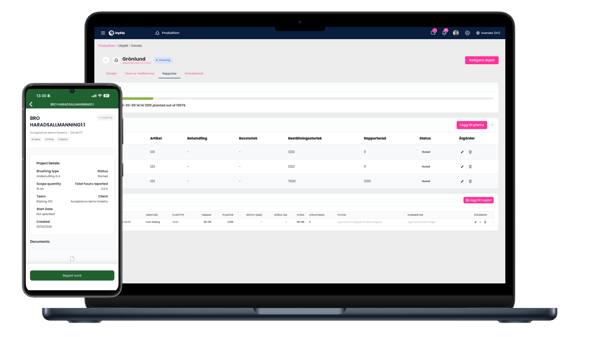
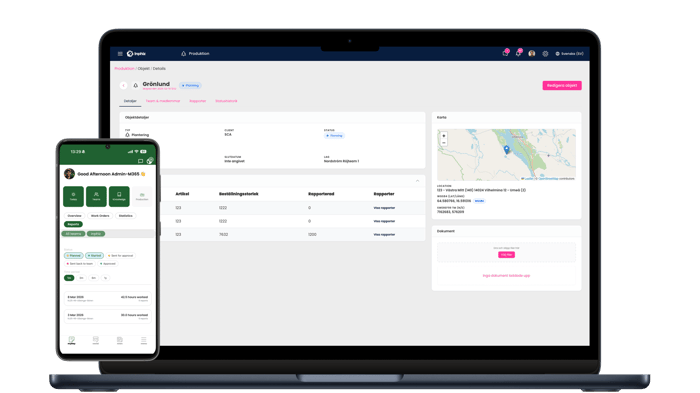
Employees and contractors receive clear instructions directly on their mobile devices—with access to work orders, documents, guidelines, and relevant information.
Execute and Report Work in the Field
Work is tracked in real time through field reporting, status updates, and documentation.
Operational Overview in Real Time
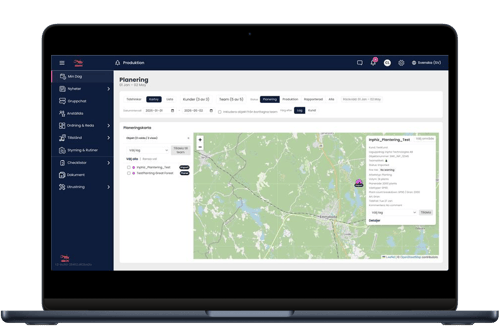
Management and supervisors gain a consolidated view of assignments, progress, and operational activities.
From Completed Work to Results
Data from completed work forms the basis for follow-up, reporting, and financial documentation.
Structured Reporting by Asset
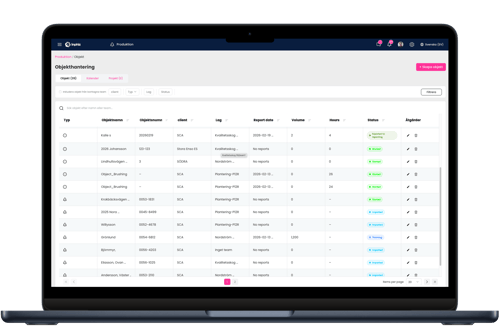
All reporting is linked to the correct asset, work order, and team. This makes it easy to track production by assignment, area, or customer.
Planned volumes are automatically compared with reported production.
Review and Approval
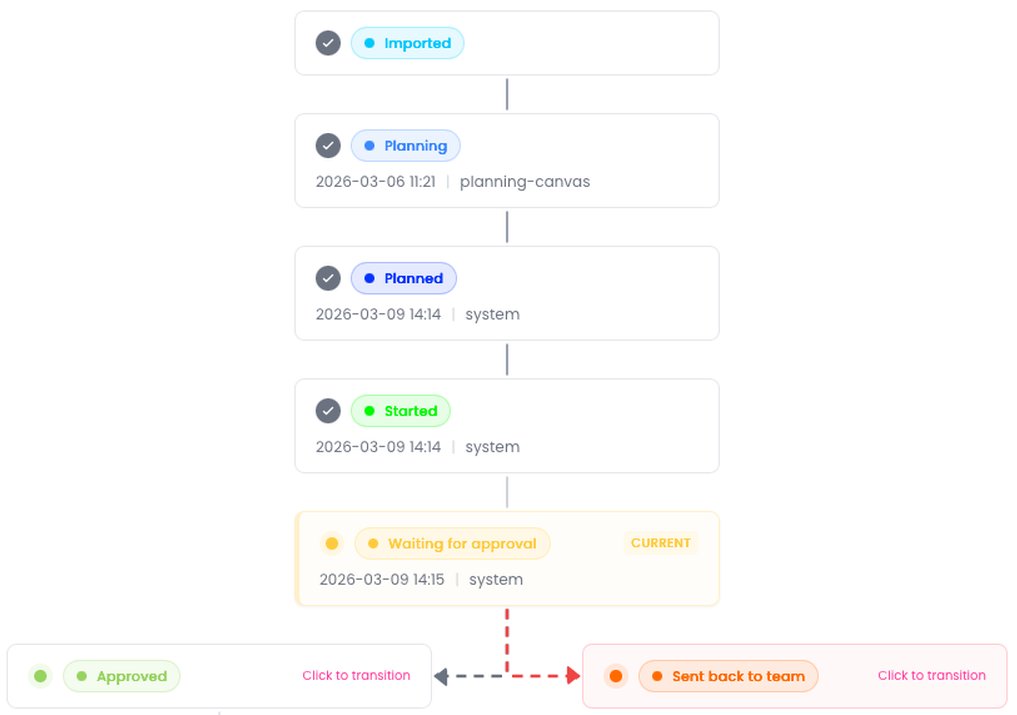
Reports can be reviewed and approved before moving forward in the process. The status workflow ensures that reporting is accurate before it is used for follow-up or financial purposes.
This creates traceability and quality throughout the entire workflow.
Documentation for Invoicing and Follow-Up
Once reports are approved, structured documentation is generated for invoicing, payroll, and financial systems.
Data can be exported or integrated directly with the organization’s existing systems.